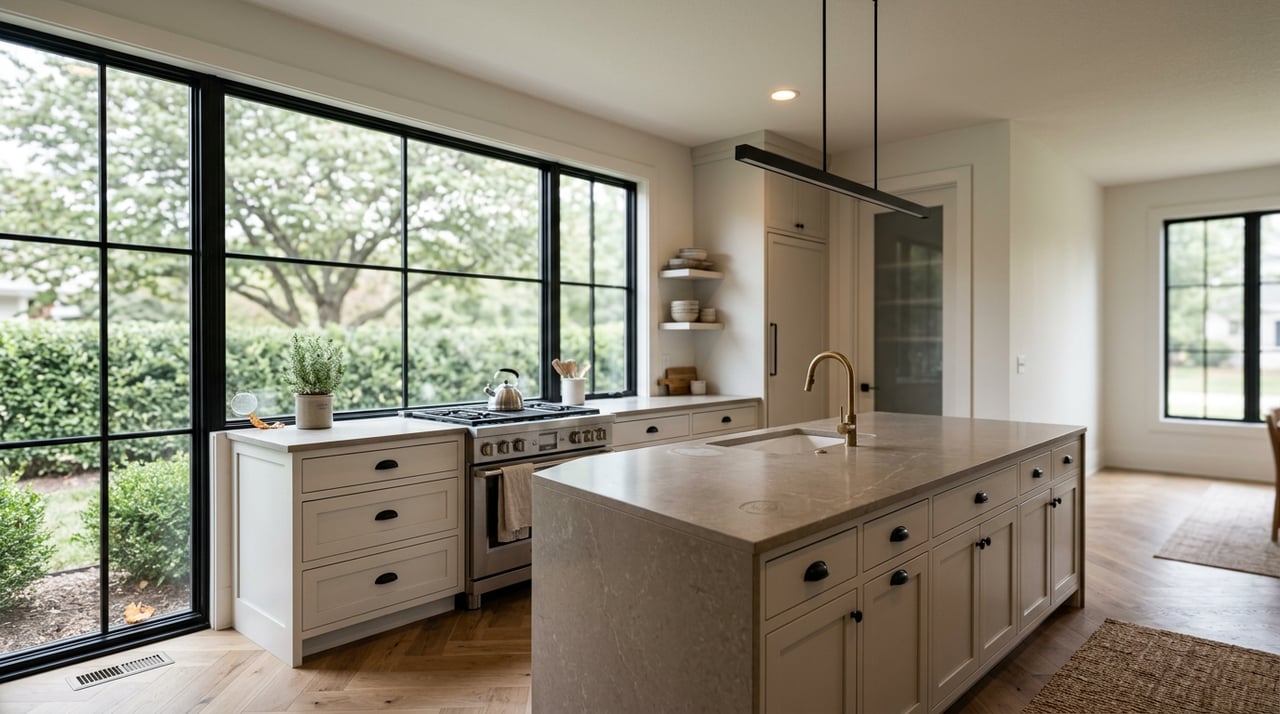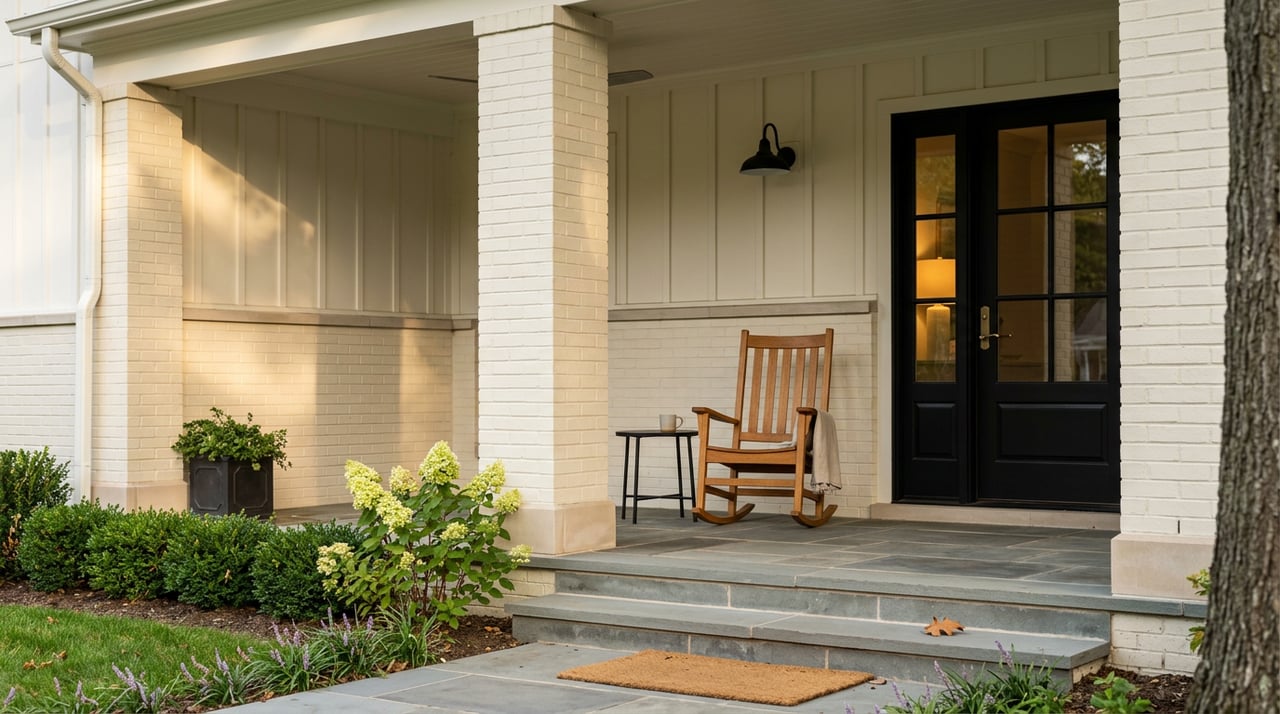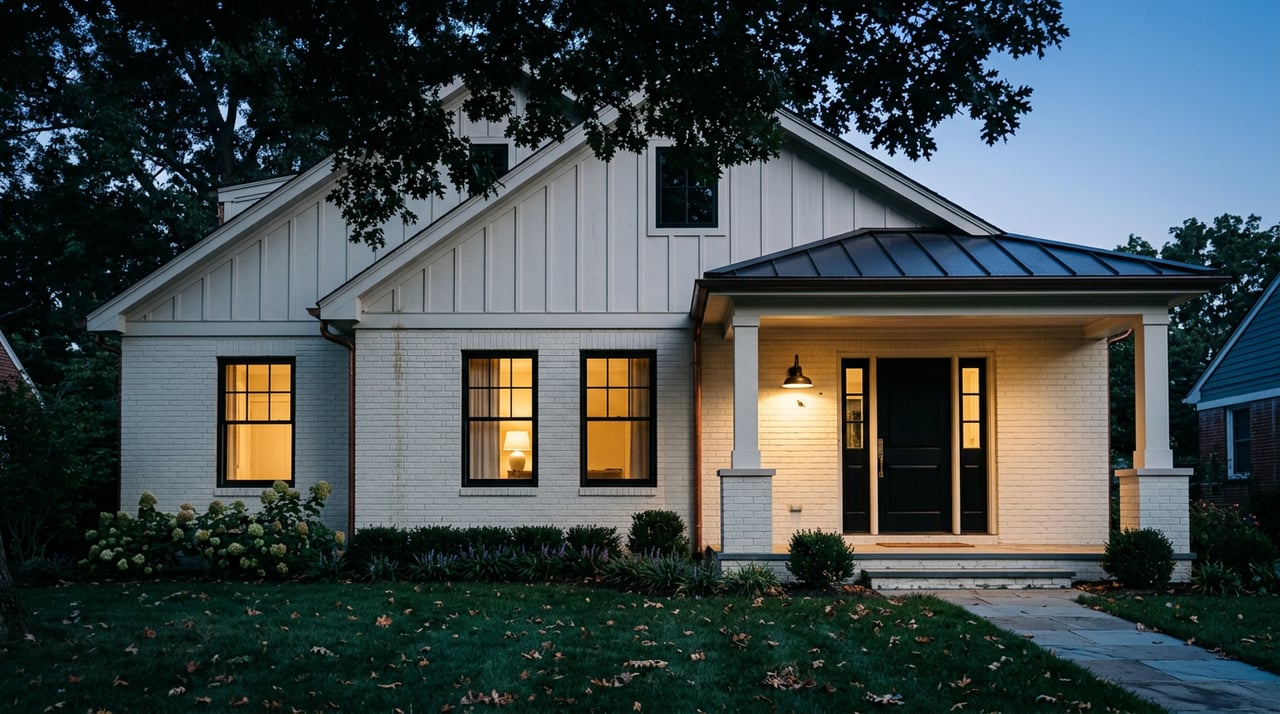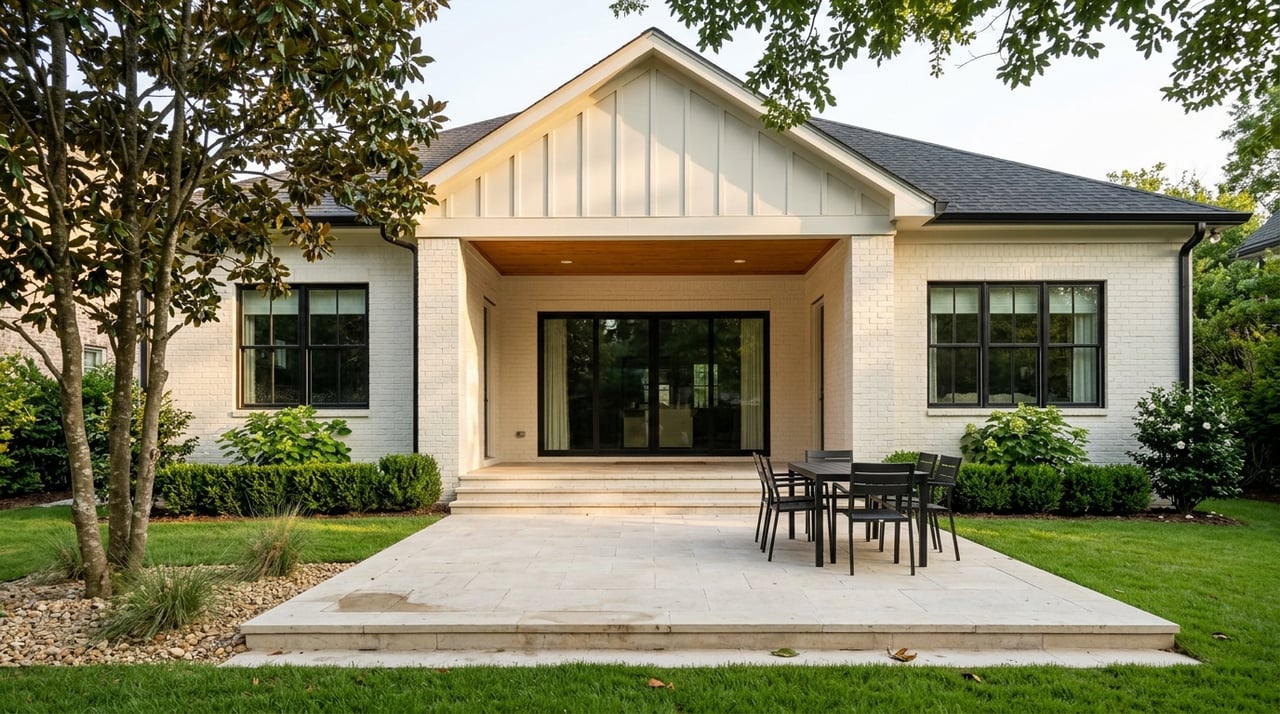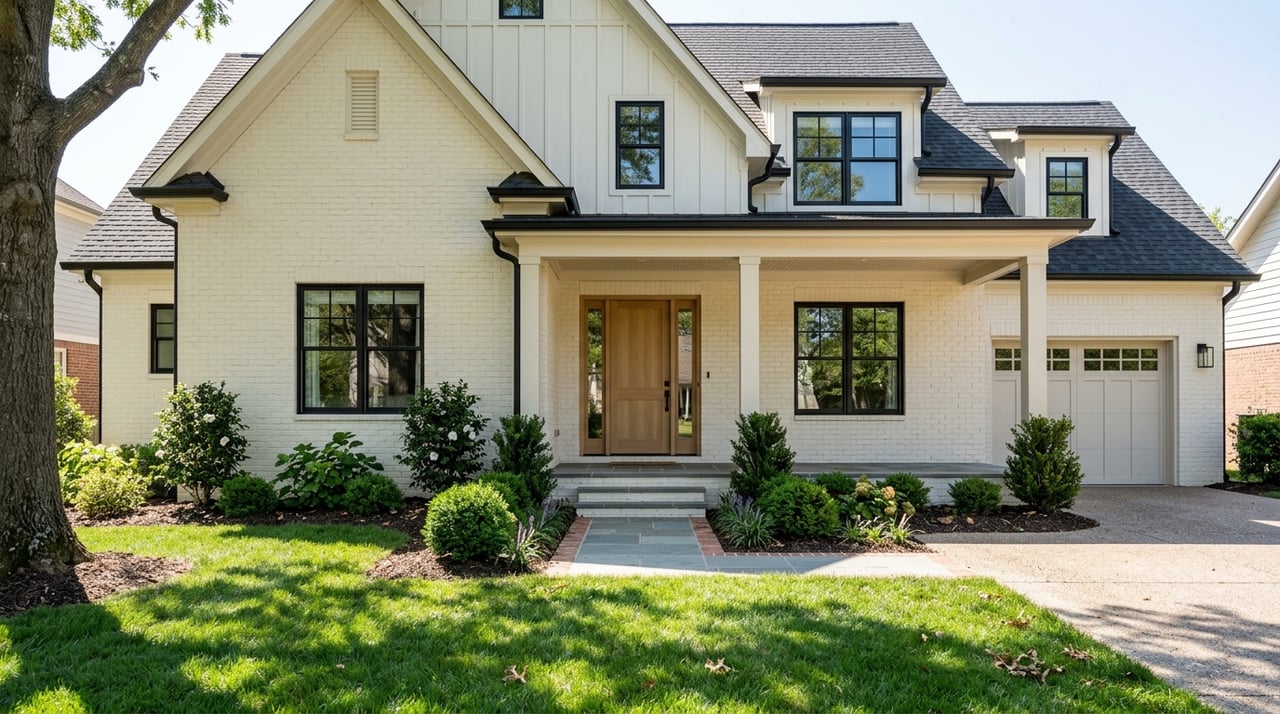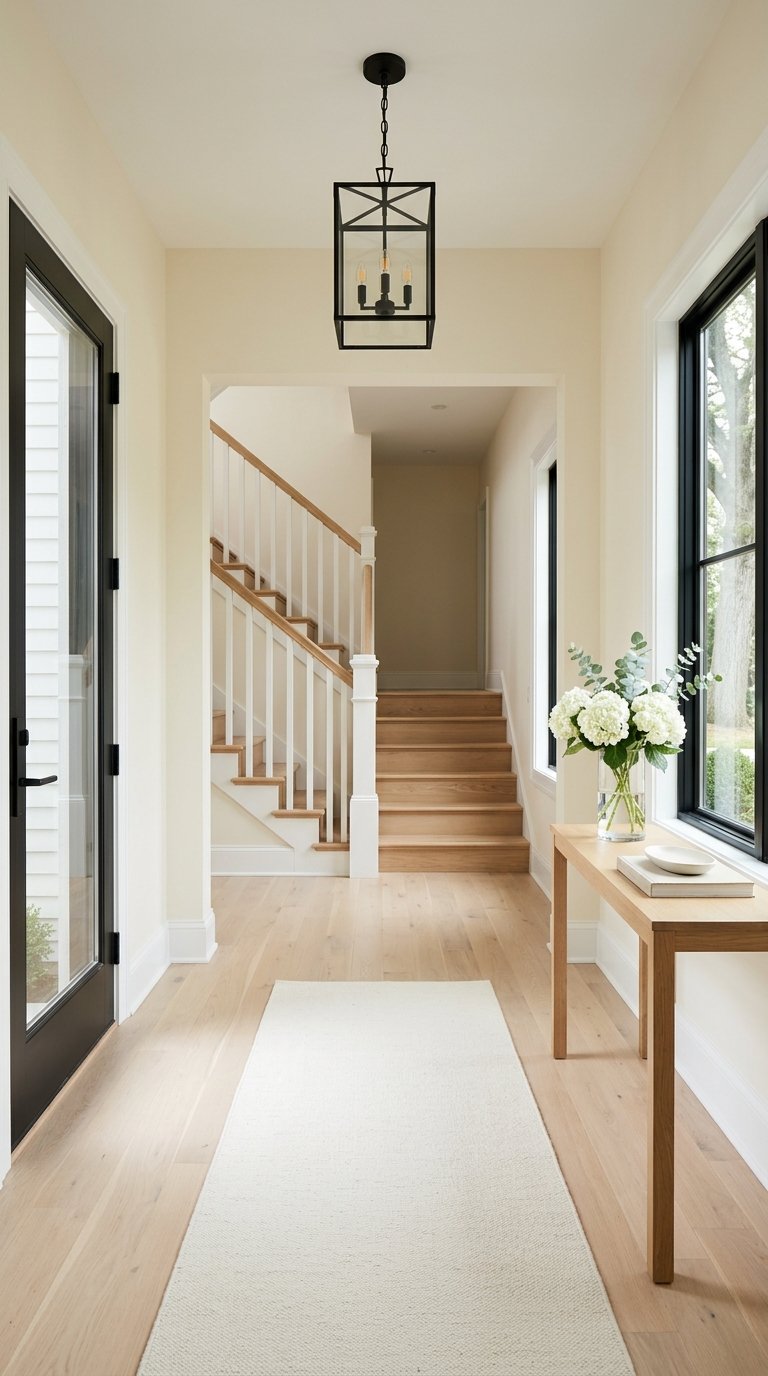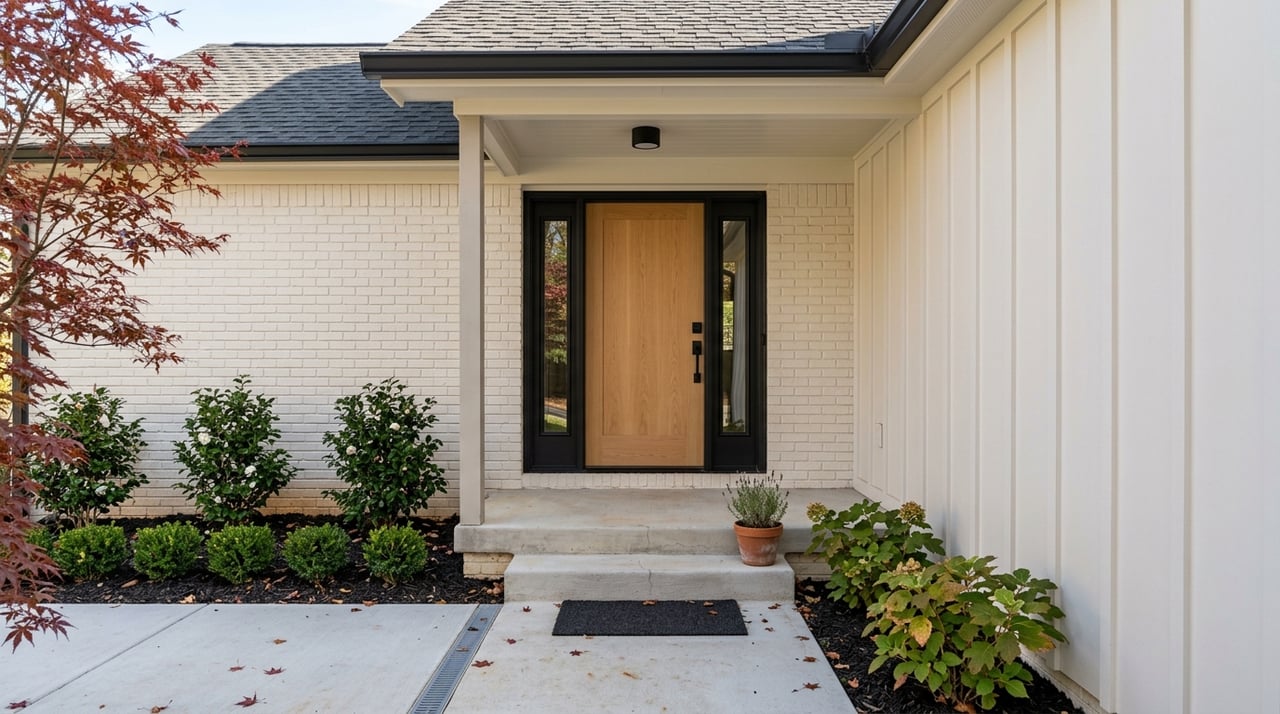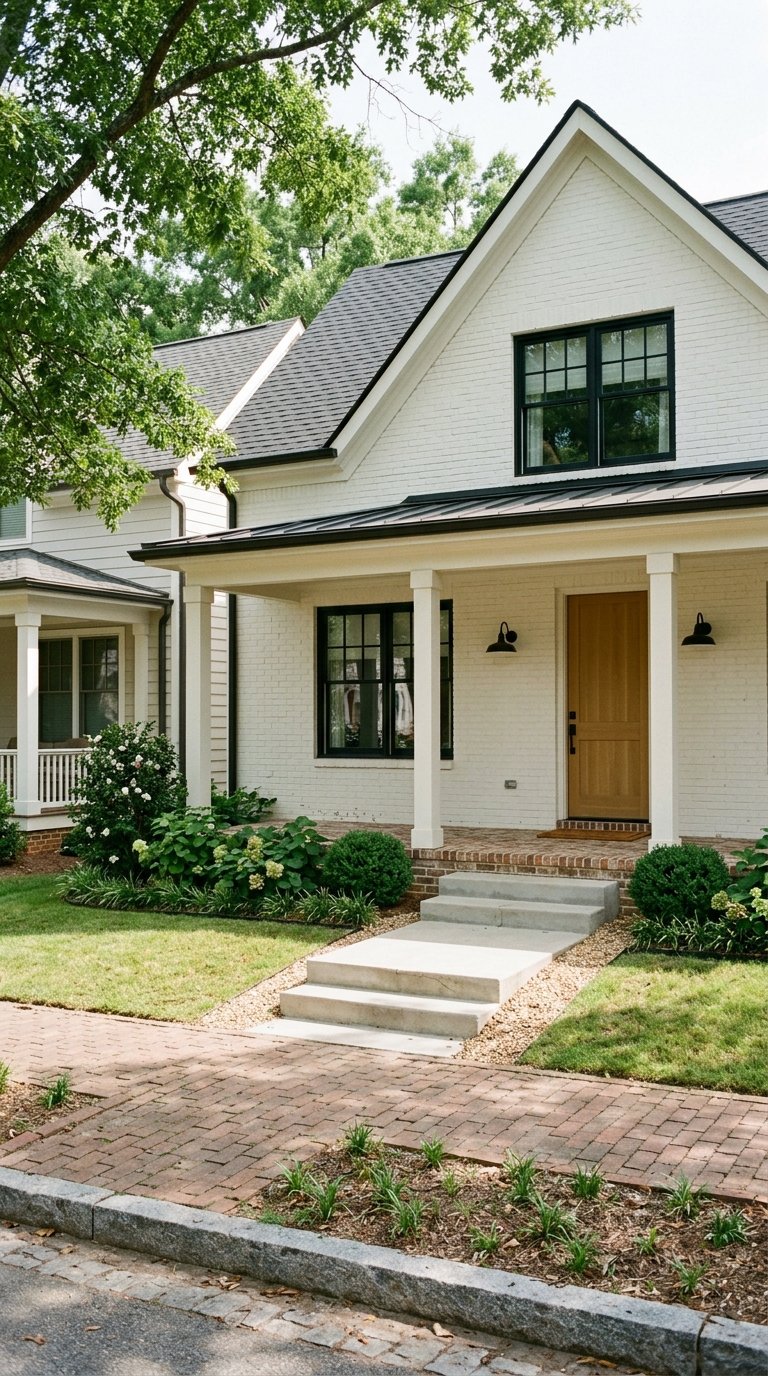
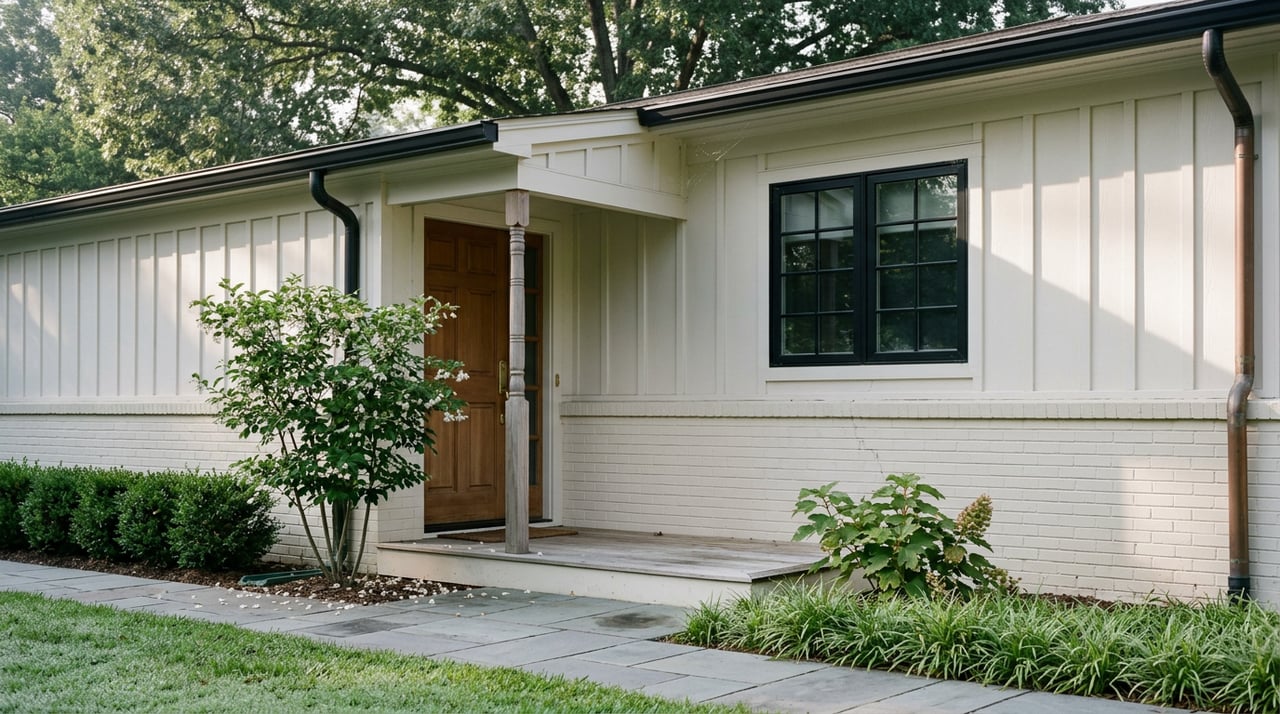
A buyer we'll call the Reynolds family (not their real name, but a scenario we see often) fell for a 1920s bungalow near Ninth Street. They planned to swap the single-pane windows, add a rear addition, and eventually convert the detached garage into a rental unit to help cover the mortgage. Their inspector flagged nothing unusual. Their lender approved the loan. Then, three weeks before closing, someone mentioned the house sits inside a local historic district, and every one of those plans now needs a permit called a Certificate of Appropriateness before a contractor can touch it.
Here's what makes that story worth telling: a few blocks away, in Trinity Park, a nearly identical bungalow could get the same renovation with no such review at all. Same era, same charm, same word on the listing sheet. Different rules entirely.
Durham uses "historic" to describe three separate rulebooks
Most buyers assume an old Durham house comes with one of two outcomes: either it's protected and slow, or it's untouched and flexible. In practice, Durham runs three distinct designations that look similar on a listing but behave nothing alike once you own the property.
| Designation | What it actually requires | Where it applies |
|---|---|---|
| National Register Historic District | Tax credit eligibility for qualifying rehab work, but no real limit on what you can change or demolish | Much of Trinity Park |
| Local Historic District | A Certificate of Appropriateness (COA) required for any exterior change, reviewed by the Historic Preservation Commission | Trinity Heights, Watts-Hillandale, Morehead Hill, Holloway St., Golden Belt, Fayetteville St., Downtown Durham, Cleveland St. |
| Neighborhood Protective Overlay (NPO) | Custom design rules layered on top of standard zoning, separate from the COA process | Old West Durham, Tuscaloosa-Lakewood |
The first column is the one people skip past. National Register status is largely honorary from a regulatory standpoint. It opens the door to tax credits for qualifying rehabilitation, but it offers little in the way of protective regulation and nothing against demolition. A Local Historic District is the opposite: it's the version with actual teeth, administered by Durham's Historic Preservation Commission (HPC), and it's the one most likely to reshape your renovation timeline.
Trinity Park is the clearest example of the gap
Trinity Park is one of Durham's most recognizable historic neighborhoods, and a large part of it sits on the National Register. But Trinity Park has no local historic district protections, because it has never been designated one. That means a homeowner there can replace windows, add a rear addition, or make most exterior changes without a Certificate of Appropriateness. The neighborhood association has floated local historic district designation more than once over the past several decades, and the question keeps resurfacing without resolution.
Compare that to the eight neighborhoods that are locally designated. In those districts, a COA is required for any exterior change, and Durham's own rules are explicit that this applies regardless of whether the modification to the exterior or site is visible, and regardless of whether or not a building permit is required for the work. Repaint the trim a different color, replace a fence, swap a window sash for something not period-appropriate: all of it needs a COA first.
The review path also splits into two speeds. Minor COAs are handled by staff and processed on a rolling basis, typically within 10 business days. Major COAs go before the full HPC, which meets on the first Tuesday of each month, and the application deadline runs close to two months ahead of that meeting date. A homeowner planning a rear addition or a garage conversion in one of the eight districts should expect to build that lead time into a renovation schedule, not discover it after signing a contractor.
There's one more twist worth knowing before anyone assumes a COA denial kills a demolition plan outright. The HPC cannot deny a certificate of appropriateness for demolition except in specific circumstances defined in the ordinance. What it can do is delay the effective date of that approval for up to 365 days if the commission finds the delay won't cause the owner extreme hardship. That's a negotiating variable, not a hard stop, and it matters for anyone weighing a teardown-and-rebuild against a renovation.
The two neighborhoods with a third set of rules
Old West Durham and Tuscaloosa-Lakewood don't fit either category cleanly. Both carry a Neighborhood Protective Overlay, which layers customized design standards on top of the base zoning district rather than routing changes through the COA process. If you're comparing a house in one of these two neighborhoods against a Local Historic District property, don't assume the review process is identical just because both carry some form of extra oversight. The right move is to ask what specific overlay or district applies to the exact parcel, since these boundaries are drawn neighborhood by neighborhood and don't always cover every block within a named area.
Why the ADU boom raises the stakes on this distinction
North Carolina's Senate Bill 495, passed in 2025, now requires local governments to permit at least one accessory dwelling unit per single-family lot. Durham was already ahead of that mandate. The city caps heated ADU square footage at 1,200 square feet under its Unified Development Ordinance, dropped its parking requirement for ADUs back in 2017, and removed the owner-occupancy requirement after a North Carolina court ruling. Durham even ran a $1.75 million loan program called Forever Home Durham to help homeowners finance ADU construction, though that particular pilot closed on May 16, 2025.
None of that changes if the lot sits in a historic district. What changes is the path to get there. A standard Durham building permit typically clears in 10 to 15 business days once the application is complete. Add Historic Preservation Commission review into that same permit, and the timeline can stretch to six to eight weeks or more, independent of anything specific to the ADU rules themselves. For an investor-minded buyer weighing a Durham bungalow specifically for its rental-unit potential, the historic district status of that one parcel matters more to the project schedule than the ADU ordinance does.
What to check before you write an offer
- Look up the property on DurhamMaps and turn on the "Local Historic Districts" and "Local Historic Landmarks" layers. If the parcel doesn't show a boundary, it isn't locally designated, even if it's old enough to feel historic.
- Ask directly whether the property is a National Register listing only, a Local Historic District property, or inside a Neighborhood Protective Overlay. These get used interchangeably in casual conversation and they are not the same thing.
- If any exterior work is planned, including additions, garage conversions, or an ADU, ask whether it would need a Minor or Major COA, since that determines whether you're looking at 10 business days or a multi-month runway before the HPC meeting.
- Factor HPC review time into any financing or contractor timeline if the home sits in one of the eight local districts or either NPO neighborhood.
- Don't assume National Register status protects the house from future changes on neighboring parcels. It doesn't carry the same restriction that a local district does.
Frequently asked questions
Does every old house in Durham require a Certificate of Appropriateness? No. Only properties inside a designated Local Historic District or listed as a local historic landmark require a COA. A National Register listing alone, like most of Trinity Park, does not trigger this requirement.
Can I still get tax credits if my house isn't in a local historic district? If the property is listed on the National Register, it may still qualify for state and federal rehabilitation tax credits on qualifying work, separate from the COA process.
Does a Neighborhood Protective Overlay require a COA? No. NPOs like the ones in Old West Durham and Tuscaloosa-Lakewood apply their own design standards through the standard zoning and permitting process rather than through the Historic Preservation Commission's COA review.
Will building an ADU in a historic district cost more? The ADU rules themselves, including the 1,200 square foot cap, apply citywide. What differs in a historic district is the added HPC review step, which extends the permitting timeline rather than the base ADU regulations.
If you're weighing an older Durham home against its renovation potential, the district status of that specific parcel is one of the first things worth confirming, not the last. Erica Berry works with buyers across Durham, Chapel Hill, Pittsboro, and Carrboro who want a clear-eyed read on what a property will actually let them do before they write an offer. Let's Connect.