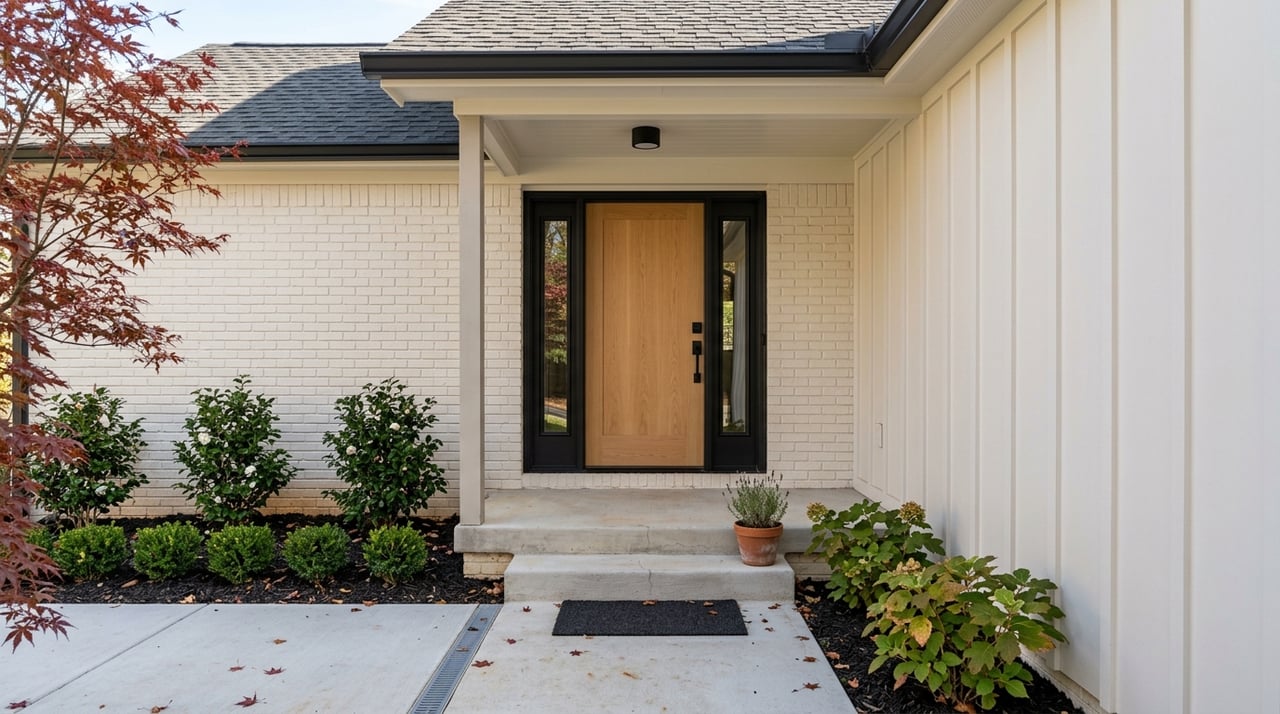
If you are trying to decide between a condo and a house in Chapel Hill, the answer is rarely as simple as "condos are cheaper" or "homes hold value better." In this market, your best choice depends on how much space you want, how much upkeep you can take on, and how comfortable you are with HOA rules and fees. The good news is that Chapel Hill offers meaningful options across condos, townhomes, and single-family homes, and understanding the tradeoffs can help you buy with more confidence. Let’s dive in.
Chapel Hill market at a glance
Chapel Hill remains a relatively high-cost market with limited supply. Realtor.com shows a median listing home price of $655,000, median days on market of 46, and about 746 active listings. Redfin reports a trailing three-month median sale price of $575,000 through April 2026, up 10.7% year over year.
Those numbers are different because they track different things. Realtor.com reflects active listing data, while Redfin reflects recent sale data. When you compare condos and homes in Chapel Hill, that distinction matters because list prices show what sellers want, while sale prices show what buyers have recently paid.
Attached housing is also a major part of the local market. Chapel Hill’s housing assessment says recent production has leaned heavily multifamily, averaging 174 multifamily units per year from 2011 to 2020 compared with 88 single-family units per year. That helps explain why condos and townhomes are such a visible part of your search here.
Inventory by property type
Detached homes still make up the deepest part of the market. Realtor.com shows roughly 445 single-family homes, compared with about 100 condos and 107 townhomes. So if you want the widest selection, single-family homes generally give you more options.
That said, attached homes still represent a significant share of Chapel Hill inventory. If your budget, lifestyle, or maintenance preferences point you toward a condo or townhome, you are not shopping in a tiny niche. You are shopping in a meaningful segment of the local market.
Condos vs homes on price
Condos offer the lowest entry point
If your first priority is lowering your purchase price, condos usually lead the conversation in Chapel Hill. Redfin shows a median listing price of $303,000 for condos. Current examples on Realtor.com range from about $179,900 to $2.395 million, with many listings in the $200,000 to $350,000 range.
That wide range matters. A condo can be a practical first step into Chapel Hill ownership, but not every condo is a bargain, especially if it is larger, newer, or in a more central location. You need to compare both the sticker price and the monthly carrying costs.
Townhomes sit in the middle
Townhomes often appeal to buyers who want more room than a condo but do not want the full cost or maintenance load of a detached home. Redfin shows a median listing price of $490,000 for Chapel Hill townhouses. Realtor.com examples range from about $265,000 to $2.4 million, with many offerings around $335,000 to $650,000.
That middle position makes sense for many buyers. You may get more square footage, a more house-like layout, and a little more separation than many condos, while staying below the price range of many detached homes.
Single-family homes usually cost more
Single-family homes generally anchor the top end of the market in Chapel Hill. Realtor.com shows current examples from about $282,500 to $2.05 million, with many listings above $500,000 and several in the $800,000 to $1 million-plus range. The overall Chapel Hill median listing price of $655,000 also reflects how strongly detached homes influence the market.
If you want more privacy, yard space, and long-term flexibility, that higher price point may still make sense. But it is important to budget for more than the purchase price alone.
Ownership works differently than many buyers expect
One of the biggest mistakes buyers make is assuming a property type tells the whole story. In North Carolina, the legal structure matters just as much as the building style. A townhome can function more like a condo in some communities, or more like a detached home in others.
Under the North Carolina Condominium Act, the association is responsible for maintaining, repairing, and replacing common elements, while each unit owner is responsible for the unit itself. Owners also may not change the appearance of common elements or exterior portions without association permission.
Under the North Carolina Planned Community Act, the association maintains common elements, while each lot owner is responsible for maintenance and repair of the lot and improvements unless the declaration says otherwise. That means your real responsibilities depend on the recorded documents, not just the marketing description.
The North Carolina Real Estate Commission also notes that condo and townhouse ownership is legally complex and advises buyers to consult an attorney for specific guidance. If you are deciding between attached and detached living, this is where careful document review becomes essential.
HOA dues are part of the real cost
When you compare condos and homes, HOA dues should never be treated as a small side note. They are part of the monthly cost of ownership, just like principal, interest, taxes, and insurance. In some cases, dues may offset maintenance you would otherwise pay for yourself. In other cases, they may meaningfully change what you can comfortably afford.
Before you write an offer on any HOA-governed property, ask what the dues cover and what they do not. You should also review the association documents, community rules, and any signs of fee growth or potential special assessments. These details affect both your budget now and your resale options later.
North Carolina disclosure rules apply to single-family homes, individual condos, townhouses, and similar residential property. The seller must furnish the disclosure statement by the time you make an offer, and if it is not delivered on time, you may have the right to cancel within three calendar days after receipt.
Taxes and carrying costs matter
Your mortgage payment is only part of the picture in Chapel Hill. Orange County says tax bills may include county tax, city tax, fees, fire district tax, and special district tax. The county set its FY2026-27 rate at 68.05 cents per $100 of assessed value, and Chapel Hill lists a 2025-2026 municipal rate of 50.0 cents per $100 of taxable value.
That means carrying costs can add up quickly, especially as you move into higher price brackets. A lower-priced condo with HOA dues may still compete well against a more expensive detached home once you compare the full monthly cost. The reverse can also be true if dues are high or rising.
Resale potential in Chapel Hill
Chapel Hill resale has been supported by persistent demand and limited supply. Redfin says local prices were up 10.7% year over year in the three months ending April 2026. The town housing assessment also says single-family home values rose 33% from 2015 to 2021.
That does not mean every property performs the same way. Condition, pricing, layout, location, and HOA health still matter. But it does suggest that well-positioned properties in Chapel Hill have benefited from strong market demand over time.
Condos may require a little more caution on resale analysis. Redfin’s condo report says condo prices nationally fell amid rising HOA fees and insurance costs, and that special assessments and financing limitations can slow demand. That is not a Chapel Hill-specific forecast, but it is useful context if you are weighing a condo against a detached home.
Townhomes often land in a practical middle ground for resale as well as lifestyle. They can appeal to buyers who want lower entry costs than single-family homes and more space or privacy than many condos. As always, the exact value proposition depends on the community documents and what the HOA actually covers.
Which property type fits you best?
Choose a condo if you want lower entry cost
A condo may be the right fit if your main goals are keeping the purchase price down and reducing exterior maintenance. In Chapel Hill, condos are the lowest-entry-price category based on current median list data. They can be especially appealing if you want ownership in a high-cost market without stretching into detached-home pricing.
You will still want to study the HOA carefully. Monthly dues, reserve health, rules, and potential assessments all deserve close attention before you move forward.
Choose a townhome if you want balance
A townhome often makes sense if you want a middle ground between budget, space, and upkeep. You may get a more home-like feel than a condo while avoiding some of the full maintenance burden that often comes with detached ownership. In Chapel Hill, that balance can be attractive for both first-time and move-up buyers.
Just remember that two townhomes can operate very differently from an ownership standpoint. The declaration will tell you whether the HOA handles more of the exterior or whether you carry more responsibility yourself.
Choose a single-family home if you want control
A single-family home is often the strongest fit if you want privacy, yard space, flexibility, and more control over the property. It is also the category with the broadest selection in Chapel Hill. For many buyers, that independence is worth the higher purchase price and maintenance load.
You should be ready for more hands-on ownership. Repairs, landscaping, exterior upkeep, and long-term capital costs typically fall more directly on you.
A smart way to compare options
If you are torn between a condo and a home, compare properties using the same framework each time. Looking at list price alone can lead you in the wrong direction. A more strategic comparison usually includes:
- Purchase price
- Estimated monthly payment
- HOA dues
- Property taxes
- Insurance costs
- Exterior maintenance responsibility
- Rules or approval limits
- Resale considerations
- Space, layout, and privacy
This kind of side-by-side review is where clear guidance can make a big difference. In a market like Chapel Hill, small details in documents, dues, and maintenance obligations can have a big impact on your day-to-day ownership experience.
If you want help weighing Chapel Hill condos, townhomes, and single-family homes with a careful eye on price, due diligence, and long-term fit, Erica Berry offers the kind of strategic, low-pressure guidance that can help you make a smart move.
FAQs
What is the main price difference between Chapel Hill condos and homes?
- In current Chapel Hill data, condos have the lowest median listing price at $303,000, townhomes sit in the middle at $490,000, and single-family homes generally command the highest prices, with the overall median listing home price at $655,000.
How many condos and homes are available in Chapel Hill?
- Realtor.com shows roughly 100 condos, 107 townhomes, and 445 single-family homes, so detached homes offer the deepest inventory while attached homes still make up a significant share of the market.
Are Chapel Hill townhomes the same as condos?
- Not always. In North Carolina, the legal structure and recorded declaration determine maintenance duties and ownership rights, so a townhome may function more like a condo in one community and more like a house in another.
What should you review before buying a Chapel Hill condo or townhome?
- You should request the association documents, ask what the HOA dues cover, review the community rules carefully, and order inspections so you understand costs, restrictions, and any issues that could affect value or desirability.
Do HOA fees matter when comparing Chapel Hill condos and homes?
- Yes. HOA dues are part of your total cost of ownership and should be weighed alongside your mortgage payment, taxes, insurance, maintenance responsibilities, and possible future fee increases or special assessments.
How do Chapel Hill property taxes affect condo and home costs?
- Orange County says tax bills may include county tax, city tax, fees, fire district tax, and special district tax. The county rate is 68.05 cents per $100 of assessed value, and Chapel Hill lists a municipal rate of 50.0 cents per $100 of taxable value for 2025-2026.