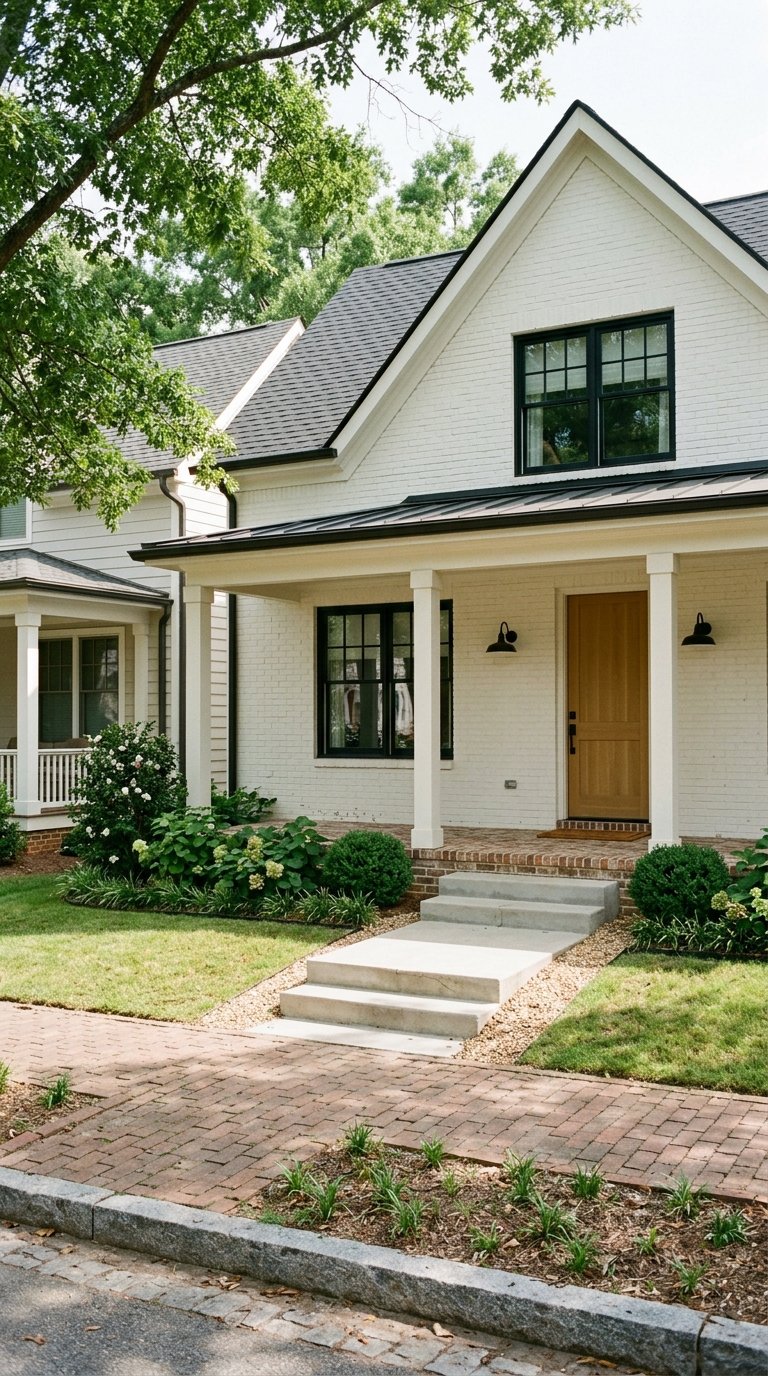
If you picture Chapel Hill as a place where you can park the car and handle more of life on foot, you are not imagining the whole town equally. The most walkable daily routine tends to happen in specific pockets, especially around downtown Franklin Street, Rosemary Street, Columbia Street, and the UNC corridor. If you are thinking about moving here or simply trying to understand how Chapel Hill feels day to day, this guide will help you see where walkability is strongest and what that lifestyle really looks like. Let’s dive in.
Where walkability is strongest
Chapel Hill is best understood as a set of connected walkable nodes, not one continuous urban grid. That matters because your daily routine can feel very different depending on where you live.
The town’s walkable core is centered around downtown and the UNC edge. Town streetscape efforts focus on sidewalks, crosswalks, lighting, benches, public art, and plantings along Franklin and Rosemary Streets, which helps support a more pedestrian-friendly experience.
That core also has a distinct feel. Chapel Hill pairs a tree-lined downtown with open space and public gathering areas, so the environment often feels more village-like than intensely urban.
What daily life looks like downtown
If you want the easiest car-light routine, downtown Chapel Hill offers the strongest concentration of everyday destinations. In a relatively compact area, you can reach dining, arts venues, public spaces, and transit stops without stringing together multiple drives.
Franklin Street is a big part of that rhythm. The area includes casual dining, sit-down restaurants, lighter daytime options, and late-night food, which means lunch, dinner, coffee runs, or a quick evening bite can often happen close to home.
140 West Franklin adds to that convenience. It combines public open space, retail, dining, and arts in one downtown setting, creating a practical hub for errands and social time.
Dining and errands in the core
One reason walkable living feels realistic here is that the daily basics stack close together. Along Franklin Street, you can find a mix of places such as Lantern, Four Corners, The Purple Bowl, Heavenly Buffaloes, and GRK YEERO.
The bigger point is not any one restaurant. It is that the downtown corridor supports different parts of the day in a small geographic area, which can make your routine feel simpler and more flexible.
For some buyers, that compact setup is the real value. Instead of driving from one shopping center to another, you may be able to build parts of your week around a few connected streets and plazas.
Arts and culture within reach
Walkability is not just about errands. It is also about whether your surroundings give you easy access to things you actually enjoy.
Chapel Hill’s downtown core stands out here. The Ackland Art Museum, which offers free admission, sits near West Franklin and South Columbia streets. Morehead Planetarium is on East Franklin Street, and Carolina Performing Arts uses Memorial Hall on campus as well as CURRENT ArtSpace + Studio on Franklin Street.
That mix gives the area a strong cultural layer for a town of this size. If you like being able to add an exhibit, performance, or campus event to an ordinary weeknight, the downtown-UNC corridor offers a very specific kind of convenience.
Parks and trails shape everyday routines
In Chapel Hill, walkability is not limited to downtown blocks. Greenways and trails are part of how many people move through town, and the Town describes them as both recreational assets and alternative transportation routes to residential areas, parks, and shopping centers.
That changes the lifestyle equation. For some households, being near a trail matters almost as much as being near a restaurant cluster.
Bolin Creek Trail is especially useful in that conversation. It is a paved trail that runs about 1.5 to 2 miles from the Chapel Hill Community Center to Umstead Park, or about 2.5 miles when connected to Tanyard Branch Trail, and it links the Northside neighborhood and downtown Chapel Hill.
Pritchard Park also plays a major role in daily life. It spans 34 acres in central Chapel Hill and is home to Chapel Hill Public Library, which the Town says sees more than 1,800 visitors a day.
Southern Community Park adds another type of routine. It includes fields, picnic shelters, a playground, a dog park, an inline hockey court, and access to Fan Branch Trail and a fitness course.
The Town also tracks pedestrian and bicycle activity on corridors such as Rosemary Street, Cameron Avenue, Fan Branch Trail, Morgan Creek Trail, and Bolin Creek. That is a useful signal that walking and biking are not unusual side activities here. In the right pocket, they are part of normal daily movement.
Transit makes car-light living easier
A walkable area works better when it connects to transit, and Chapel Hill has a real advantage there. Chapel Hill Transit is fare-free and serves Chapel Hill, Carrboro, and the UNC community, with 21 routes according to the Town.
For many buyers, that opens up more options than they first expect. You may not need every destination to be within a five-minute walk if a reliable fare-free bus can connect the rest of your routine.
Regional links matter too. GoTriangle Route 400 connects Downtown Durham, Duke and VA, Downtown Chapel Hill, and UNC, while Route 800 links Chapel Hill to the Regional Transit Center with RDU shuttle connections available every 30 minutes.
If you drive part of the time, Park and Ride lots can also reduce stress. The Town lists lots at Eubanks Road, Jones Ferry, and Southern Village, with daily parking available for $2 as well as monthly and annual permit options.
Different pockets fit different lifestyles
One of the smartest ways to evaluate Chapel Hill is by matching a location to your routine. Instead of asking whether the whole town is walkable, ask what you want to walk to most often.
If you want restaurants, arts, public space, and transit in the shortest possible walk, downtown Franklin Street and the UNC edge are likely the strongest fit. That is where the concentration is highest.
If you prefer a quieter pace with greenway access, southern and eastern pockets near Southern Community Park, Meadowmont Trail, and the Bolin Creek and Tanyard Branch corridor may feel more comfortable. These areas can support an active daily lifestyle, but in a different way.
If you commute toward Durham, Hillsborough, or RDU, route access and Park and Ride proximity deserve close attention. In Chapel Hill, convenience is highly pocket-dependent.
What buyers should think about first
Before you focus only on square footage or finishes, it helps to map your actual week. Think about where you would want to grab coffee, take a walk, catch a performance, visit the library, or get on a bus.
A home that looks perfect on paper may feel less convenient if it does not support your real routine. On the other hand, the right location can make an ordinary Tuesday feel easier, calmer, and more connected.
That is especially true in Chapel Hill, where lifestyle value often comes from the immediate surroundings as much as the house itself. The best fit usually depends on whether you want an urban-style downtown rhythm, a trail-linked neighborhood pattern, or a hybrid of both.
If you are comparing Chapel Hill areas, it helps to look beyond a broad walkability label and focus on the tradeoffs of each pocket. That kind of local context can make your home search much more strategic.
When you want help sorting through Chapel Hill’s walkable areas and finding the right fit for your routine, Erica Berry can help you evaluate location, lifestyle, and long-term value with a thoughtful local approach.
FAQs
Which part of Chapel Hill is most walkable for daily life?
- The strongest day-to-day walkability is generally in the downtown-UNC corridor, especially near Franklin Street, Rosemary Street, Columbia Street, and campus-adjacent areas.
Can you live in Chapel Hill with less driving?
- In the right pocket, yes. Downtown destinations, greenways, fare-free Chapel Hill Transit, and Park and Ride options can support a car-light routine.
Are Chapel Hill trails useful for everyday transportation?
- Yes. The Town describes its greenways as both recreational assets and alternative transportation routes to residential areas, parks, and shopping centers.
What is Bolin Creek Trail like in Chapel Hill?
- It is a paved trail that runs about 1.5 to 2 miles from the Chapel Hill Community Center to Umstead Park, or about 2.5 miles when connected to Tanyard Branch Trail, and it links Northside and downtown Chapel Hill.
Is walkability the same across all of Chapel Hill?
- No. Chapel Hill is better described as a group of walkable nodes and trail-linked pockets rather than one uniformly walkable town.
What should buyers compare when choosing a walkable Chapel Hill area?
- Focus on your routine first, including dining, trails, cultural stops, transit access, and commuting needs, because convenience varies a lot by pocket.