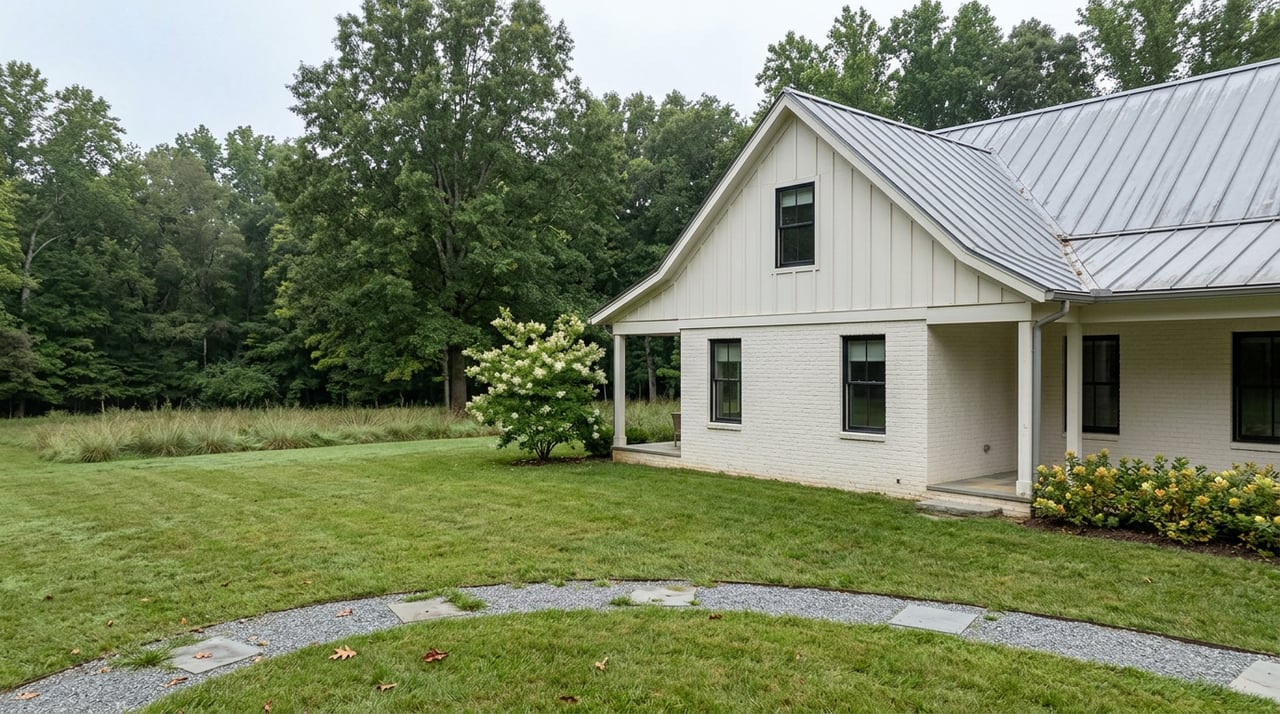
A buyer I'll call representative of dozens of conversations this year falls in love with a four-bedroom house a few miles outside downtown Pittsboro. Good bones, a finished bonus room over the garage, a full acre of privacy. The offer goes in, the inspection comes back clean, and then somewhere in the paperwork a single line stops the deal cold: the septic Operation Permit on file with Chatham County is written for three bedrooms, not four.
Nothing is broken. The system runs fine today. But the permit, not the floor plan, is what the county actually recognizes, and that mismatch can slow a closing, complicate an appraisal, and in some cases force a system upgrade before the sale can proceed. Most buyers moving into Chatham County from municipal-water cities have never had to think about this, because a sewer connection doesn't care how many people sleep in the house. A septic system does. It's sized for a bedroom count, and that count is the number that governs everything else about how you'll live in, add to, or eventually resell the property.
The Land Is the Price of the Permit
Here's the piece that surprises a lot of buyers touring outside Pittsboro's walkable core: the reason these lots run a full acre isn't rural tradition. It's zoning tied directly to the absence of municipal sewer. Unincorporated Chatham County generally falls under R1 zoning, one home per acre, and that minimum lot size exists specifically because a septic system needs enough soil to treat wastewater on site rather than send it down a pipe. County officials have pointed to this same dynamic as one reason home prices run higher in these unincorporated areas compared to smaller in-town lots.
So the trade a buyer is actually making isn't "convenience versus inconvenience." It's soil for space. Every septic system needs a drain field with room to work, which is why the county requires wells to sit at least 50 feet from a septic tank and at least 100 feet from a drain field. Walk a well-and-septic lot with that in mind and the layout starts to make sense: the shed placement, the odd dogleg in the driveway, the reason the well house sits where it does. None of it is arbitrary. It's the acre doing the job a sewer main would otherwise do.
Why the Permit Process Is Running Slower Right Now
If you're timing a due diligence period this fall, build in more room than the calendar usually suggests. Chatham County's growth has accelerated fast enough that soil scientists and septic contractors are in high demand across the county, largely a byproduct of the Chatham Park master-planned community, which is approved for build-out across roughly 8,500 acres in phases stretching decades into the future. That demand doesn't stay contained to new construction. It pulls the same licensed professionals who evaluate existing systems for resale, which means a septic inspection or a repair permit application can sit in a longer queue than it would have two or three years ago.
Chatham County Environmental Health, headquartered in Pittsboro, oversees this permitting directly, and a new well permit is valid for five years once issued. If you're buying a property where the septic system needs a repair permit before closing, or where the well's age raises a question about its permit history, ask your agent to pull the file early. Waiting until the week before closing to discover a permit doesn't match reality is how deals lose their financing window.
What's Actually Changing in Pittsboro's Water Picture
The reason all of this matters more this year than it did five years ago is that Pittsboro's own utility situation has been in motion. In 2024, Sanford and Pittsboro merged their water and wastewater utilities into a regional system called TriRiver Water. Chatham County customers were folded into that system on July 1, 2025, adding roughly 11,000 new customers and bringing the total to around 40,000 across a service area TriRiver describes as roughly the size of Rhode Island. The system now runs four water filtration facilities, five wastewater treatment plants, and more than 1,000 miles of water and sewer line.
That expansion is aimed at areas like Chatham Park and downtown Pittsboro, where density needs a real sewer main, not at the outlying acre lots that make up much of unincorporated Chatham County. If you're comparing a home inside Chatham Park's Vineyards or NoVi neighborhoods, built with municipal utilities coordinated through the Town of Pittsboro, against a home a few miles out on private well and septic, you're not just comparing finishes and square footage. You're comparing two different infrastructure systems with two different maintenance obligations and two different paths for future additions.
The Same Address, Two Very Different Prices Depending Where You Look
This is also why Pittsboro's headline home price numbers can feel contradictory depending on where you read them. One widely cited figure put Pittsboro's median sale price at $530,000 as of December 2025, up 5 percent year over year, with homes averaging 59 days on market. Another source measuring June 2026 activity put the median closer to $672,000, with days on market stretching to 96. Neither number is wrong. They're measuring different slices of the same town, in-town resale activity against a mix that increasingly includes new construction pushing into the high $600,000s and beyond as Chatham Park's Vineyards neighborhood, which offers custom homes starting in the $900s, pulls the average upward.
A Pittsboro broker quoted in a Chatham County housing update this spring described a market that has settled from the frenzy of the past few years without becoming any easier to afford, a market still posting modest year-over-year gains while stretching out on time and pricing out more of the local workforce. That's consistent with what the raw numbers show: activity that looks stable at the county level is actually two markets moving at different speeds, in-town resale and outlying new construction, and a well-and-septic acre lot sits closer to the resale side of that split even as the surrounding county's median keeps climbing.
A Short List Before You Write the Offer
If you're seriously considering a well-and-septic property near Pittsboro, a few questions are worth asking before your due diligence clock starts:
- Ask for the septic Operation Permit and confirm the bedroom count matches the home as it exists today, including any finished bonus rooms or converted spaces.
- Have the well water tested yourself. Testing isn't automatically required at every sale in Chatham County, so this step is on you, and a basic bacteria and nitrate test runs a modest cost relative to what a contamination issue would cost later.
- Confirm the well's distance from the septic tank and drain field if the lot lines are tight, since the county's 50-foot and 100-foot setbacks aren't always obvious from a listing photo.
- Ask when the tank was last pumped. A system pumped on a regular few-year cycle is a good sign the seller has maintained it.
- If the home has been added onto since the original permit, ask directly whether the septic system was resized to match.
Frequently Asked Questions
Does Chatham County require a septic inspection every time a home sells? Testing and inspection are not automatically triggered by every sale, but it's standard practice to have a certified inspector evaluate the system during your due diligence period, since only certified inspectors can perform a point-of-sale inspection in North Carolina.
Will municipal water and sewer eventually reach my well-and-septic property? It depends entirely on where the property sits relative to Pittsboro's town limits and Chatham Park's build-out plan. TriRiver's expansion is real and well documented, but it's aimed at incorporated areas and planned developments first. An acre lot well outside those boundaries could remain on private systems for the foreseeable future.
What happens if the septic permit's bedroom count doesn't match the house? It varies by situation, but it can mean a new soil evaluation, a repair or expansion permit, or in some cases a larger system before the county will sign off. This is exactly the kind of detail worth raising with your agent and your closing attorney before you're locked into a contract deadline.
Well-and-septic ownership isn't a downgrade from municipal utilities. It's a different set of rules, and the buyers who do well with it are the ones who read the permit before they read the paint color. If you're weighing a property like this against something in-town or inside Chatham Park, Erica Berry can walk through what each option actually commits you to, then help you make the offer that fits. Let's Connect.